Maria Jose Guerrero
Introduction: Clearing the confusion between comparison and monitoring
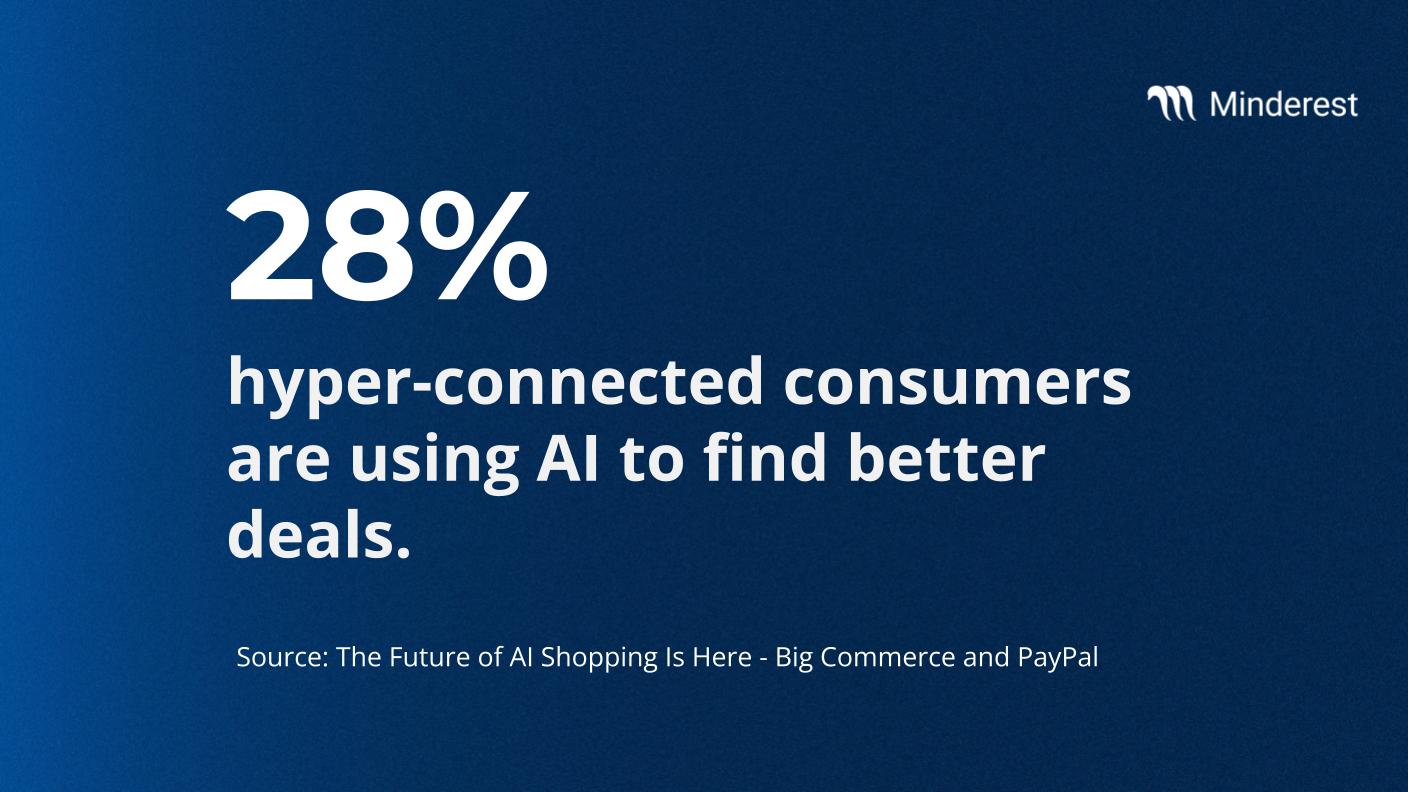
The e-commerce ecosystem has evolved toward a level of transparency that grants immense power to the consumer. Today, searching for the best prices is a deeply ingrained and increasingly tech-driven habit among users. In fact, a study by BigCommerce and PayPal reveals that 28% of online shoppers in the US are already using AI to compare prices, research products, and find the best deals. As we move through 2025, with inflation-conscious shoppers across the US and UK adopting AI shopping assistants at record rates, this dynamic is more critical than ever.
This buyer sophistication marks a crucial distinction for your business strategy. While consumers access fast tools to lower the cost of their shopping cart or basket, many strategy leaders in large enterprises make the mistake of trying to understand the market using similar logic or basic tools. Relying on a foundational approach when facing a hyper-connected consumer creates critical blind spots, which inevitably translates into missed opportunities and eroded profit margins. To mitigate this risk, Minderest, founded in 2012, has spent nearly 15 years applying advanced pricing intelligence so that leading retailers and brands always maintain control over their profitability, vastly outperforming the capabilities of any simple price tracker.
Table of Contents
- What is a price comparison website or app?
- What is price monitoring software (pricing intelligence)?
- Key differences: Price comparator vs. price monitor
- Practical use case: Implementing Minderest for strategic monitoring
- Ready to transform your pricing strategy?
- Frequently asked questions (FAQs) on the differences between a price comparison app and price monitoring software
- Conclusion: Competitive advantage lies in intelligence, not mere comparison
What is a price comparison website or app?
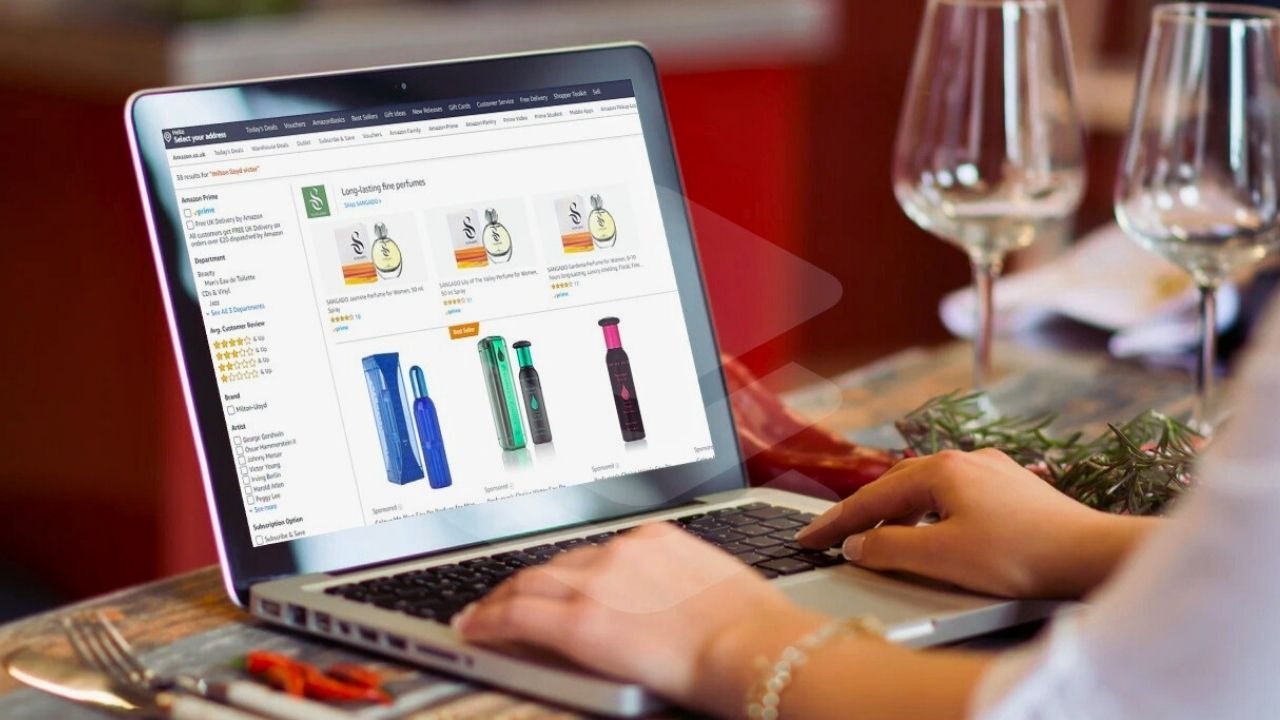
A price comparison app or website is exclusively tailored to the end consumer. Its basic functionalities are designed to solve an immediate need: quick searches, viewing current price listings, and setting up simple alerts for when the cost of a specific product drops.
However, for an e-commerce manager, using or relying on this type of technology presents severe limitations. The main drawback is the lack of historical data and zero analytical depth. It is a purely reactive approach that only provides a snapshot of the current market. Companies that settle for this fragmented view suffer the constant pain of reacting late to competitors' moves, losing the opportunity to map out a long-term competitive pricing strategy.
"The true competitive advantage in retail does not lie in knowing what price your competitor is selling at today, but in anticipating how the market will move tomorrow through deep data analytics that protect your margins in any scenario."
— Antonio Tomás, CEO of Minderest
What is price monitoring software (pricing intelligence)?
Unlike consumer-facing tools, corporate software is directly geared toward businesses—whether retailers, brands, or manufacturers—that need to govern their commercial strategy. To fully grasp this technological category, it is essential to understand what is pricing intelligence and price monitoring, a concept that goes far beyond mere number gathering.
The advanced functionalities of these platforms include:
- Massive and automated data collection, covering millions of products and thousands of competitors.
- Continuous data analysis and evaluation of pricing history.
- Uninterrupted detection of price changes, stock fluctuations, and cross-promotions.
- Detailed segmentation by categories, brands, and geographies.
- Execution of dynamic pricing algorithms.
- Generation of custom reports and strategic dashboards.
- Seamless integration with internal management systems like ERPs or PIMs.
The strategic benefits are transformative. Companies gain a 360-degree view of the market that facilitates margin optimization and enables a proactive reaction to industry shifts. With an infrastructure capable of processing over 5 billion monitored price points per month, Minderest’s advanced technology equips leading enterprise retailers with a decisive competitive advantage in today's pricing landscape, adapting to the needs of the most demanding businesses.
Key differences: Price comparator vs. price monitor
To prevent profitability erosion, executives must understand the dividing lines between both technologies. The absence of a professional tool leaves teams blind to market volatility.
Audience and purpose
A comparator is designed for the individual consumer looking for a quick, personal saving. Conversely, a price monitor is built for the business professional whose central goal is competitive strategy and sustained profitability at a corporate scale.
Data scope and depth
While a comparator offers point-in-time data and a highly limited selection of stores, professional software manages massive data volumes, multiple competitors, historical trends, inventory levels, and product attributes. In this regard, having certified data quality is indispensable to ensure that the company's strategic decisions are based on precise, error-free information.
Analysis and actionability
Consumer tools deliver raw information for a quick purchasing decision. An advanced monitor, however, transforms that data into strategic insights and automated recommendations, integrating directly into the e-commerce decision-making workflow to prevent analysis paralysis.
Technology and scalability
Compared to the simple, low-complexity interfaces of consumer apps, pricing intelligence demands AI, Machine Learning, and Big Data. This guarantees the scalability required to track thousands of products in complex environments. Whether it involves Amazon Price Monitoring or Google Shopping Price Monitoring, enterprise-grade technology requires robust architectures. To achieve this, solutions like Minderest rely on a team of over 60 developers and more than 100 pricing experts who ensure peak technological performance.
Practical use case: Implementing Minderest for strategic monitoring
Imagine a scenario where a large consumer electronics chain with a presence in multiple countries needs to optimize its prices for high-end televisions, facing fierce daily competition from retail giants and online marketplaces.
The problem lies in the fact that their pricing teams use manual methods or basic Price Comparison Software. By operating this way, they systematically miss opportunities and react late to market fluctuations. They do not know for certain when to drop prices to clear stock or when to raise them to maximize margins, operating at a high financial risk.
By implementing the Minderest solution, this hypothetical retailer could access:
- Automated price and stock tracking for thousands of TV products across key online and offline competitors.
- Constantly updated detection of flash sales and catalog variations.
- Demand elasticity analysis for key TV models.
- Dynamic pricing recommendations to maximize profit or market share according to business rules.
- Smooth integration with their corporate ERP.
As a result of this transition, the platform would allow the chain to improve its operating margins in the television category, reduce obsolete inventory, and gain ground on key models through a data-driven strategy. All of this is executed under the highest security standards, backed by certifications like ISO 27001 + SSO, ensuring the company's strategic information is always protected.
Ready to transform your pricing strategy?
Discover how Minderest helps you go beyond superficial comparison and master strategic pricing in your sector, protecting your margins against the invisible moves of your competitors. Start mastering your pricing with the leading price monitoring software.
Frequently asked questions (FAQs) on the differences between a price comparison app and price monitoring software
Why is a price comparator not enough for an e-commerce business?
A basic comparator only offers a limited, point-in-time view of the current market, designed for the consumer. An e-commerce business needs historical data, competitor stock tracking, and automation tools to build a long-term profitability strategy.
What impact does pricing intelligence have on profit margins?
By continuously analyzing the market, the software can detect exact opportunities where an e-commerce store can raise its prices without losing competitiveness, or strategically lower them to rotate inventory, thereby protecting and expanding commercial margins.
Can price monitoring software integrate with my company's internal systems?
Yes, enterprise solutions are designed to connect via API with the company's tech ecosystem (ERP, PIM, or e-commerce platforms), automating price updating and eliminating error-prone manual work.
Conclusion: Competitive advantage lies in intelligence, not mere comparison
Overcoming the confusion between a consumer tool and a corporate platform is the first step toward retail excellence. While basic tracking merely confirms a current price, pricing intelligence analyzes market volume, frequency, and trends to ensure long-term profitability and growth. Companies that fail to integrate this analytical layer expose themselves to operating with diminished margins and ineffective reactive strategies.
Top-tier global companies trust their strategy to robust tools; counting clients like Decathlon, Carrefour, Sony, and Brother, Minderest demonstrates the reliability needed to operate in the most demanding and dynamic environments of modern commerce.
That is why, in a market where 28% of consumers already use AI for price comparison, e-commerce managers at large enterprises choose Minderest to transform price monitoring into true strategic business intelligence. Transform your competitive pricing intelligence today with Minderest.
Find out how Minderest can take your business to the next level.
Contact our pricing experts to see the platform in action.
Related Articles

Amazon Returns to Google Shopping: How It Affects Retailers and Brands
After a one-month pause, Amazon has reactivated its campaigns on Google Shopping in multiple international markets (though not yet in the U.S.). Its return brings increased competitive pressure and an...
Amazon Is Out of Google Shopping
The e-commerce playbook has just been rewritten. In an unprecedented move effective this July 2025, Amazon has completely pulled its ads from Google Shopping worldwide, a development first spotted by...